Companies & Shops
Garage-born speed shops, and the aftermarket names they grew into.
Nearly every company here began with one guy who needed a part that didn’t exist: a header he couldn’t afford, a gasket that wouldn’t stay put, a bellhousing that wouldn’t let a clutch fly into the grandstand. The stories are mostly about what happened next, and about the grassroots (clubs, strips, cruise spots, small shops) that made the demand.
Short on time? The Quick Answers give the short version of the big questions about companies and the parts business, each with a link to the full story.
21 stories in Companies & Shops
The Big Names 8
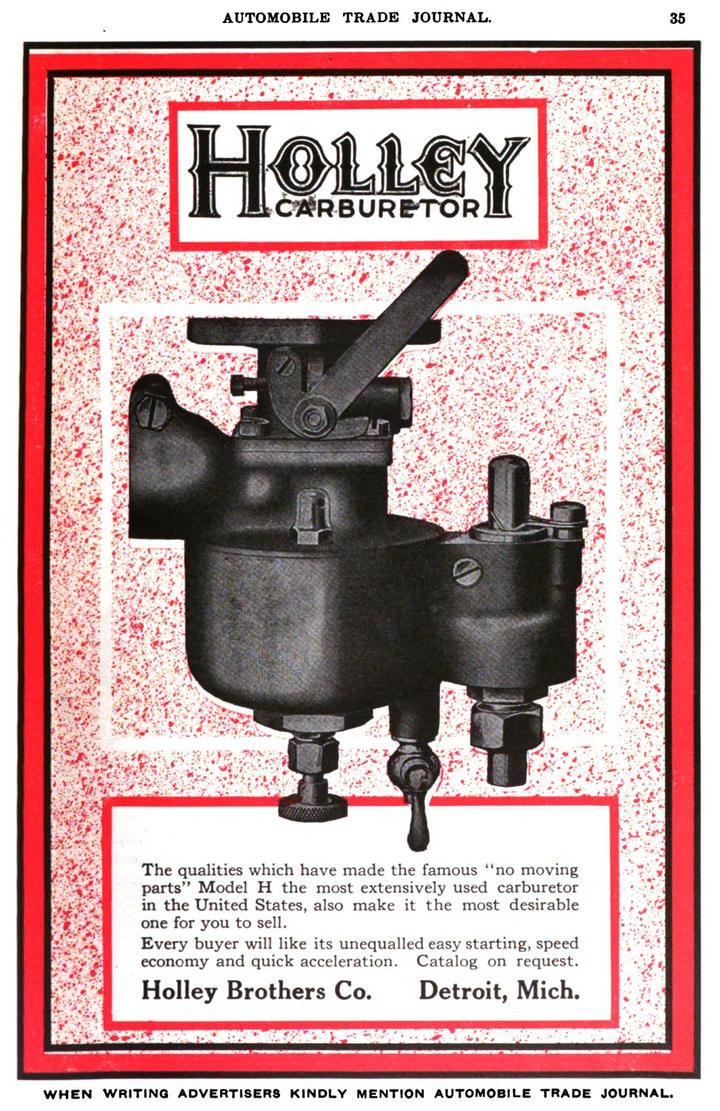
- Holley: A Bicycle Motor from Bradford and the Carburetor That Followed Everybody At the 1901 Pan-American Exposition in Buffalo, George Holley raced a motor bicycle he had designed. The Bradford brothers' company went from that bicycle motor to the carburetor that followed the cars, the war, and the aftermarket. Read the full story Medium
- Hurst-Campbell: The Shifter King’s Two-Car Garage Hurst-Campbell, the shifter company in Warminster, Pa., called everyone an "associate." Here is how George Hurst and Bill Campbell got from a two-car garage to a 58,000-square-foot plant. Read the full story MediumGrassroots
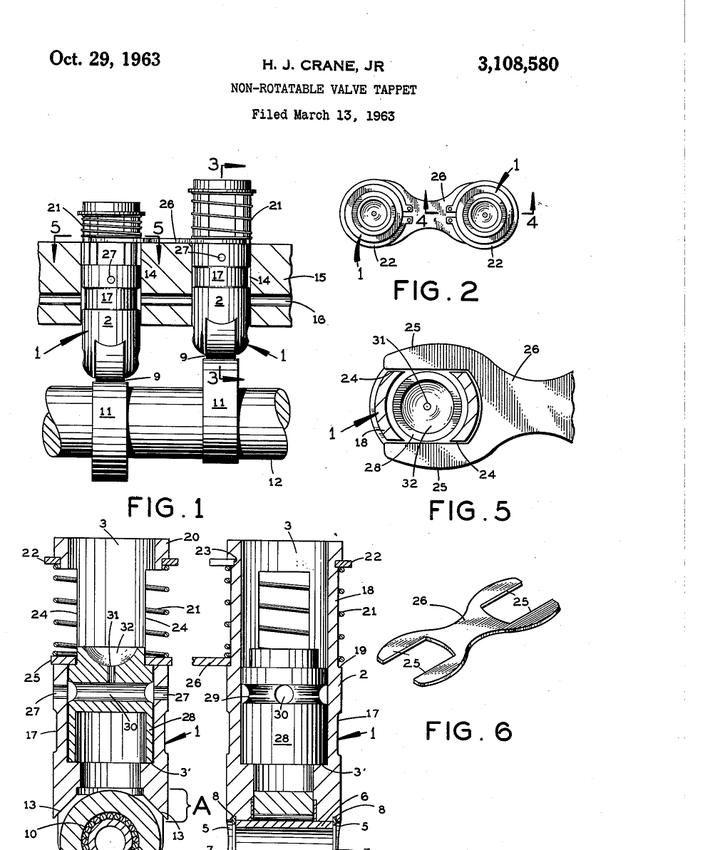
- Crane Cams: The Machinist’s Son Who Ground His Own Harvey Crane found a California camshaft "wasn't accurately made," ground his own, and built Crane Cams from Hallandale to Daytona. In 1966 each class winner at the Nationals got a refund of the cam and kit. Read the full story MediumGrassroots
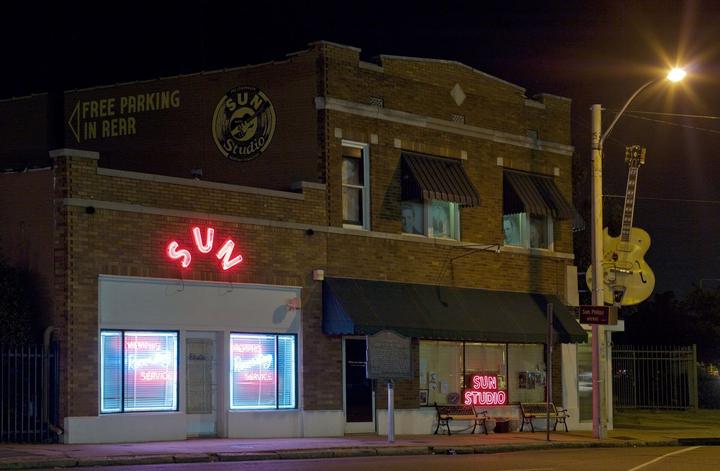
- COMP Cams and Racing Head Service: Three Oldsmobile Tinkerers on Sun Studio’s Corner In 1967 three Memphis drag racers who liked tinkering with Oldsmobile engines set up Racing Head Service in a basement. COMP Cams grew from that shop and in 2020 sits in the same group as Edelbrock. Read the full story Medium
- Summit Racing: A Corvette, a Donut-Shop Basement and Two Little Ads Summit Racing began in 1968 as a Northeast Ohio drag racer's parts discount; one account puts its first "store" in a donut-shop basement in Stow. The story runs through two little ads and a Corvette that stayed. Read the full story Medium
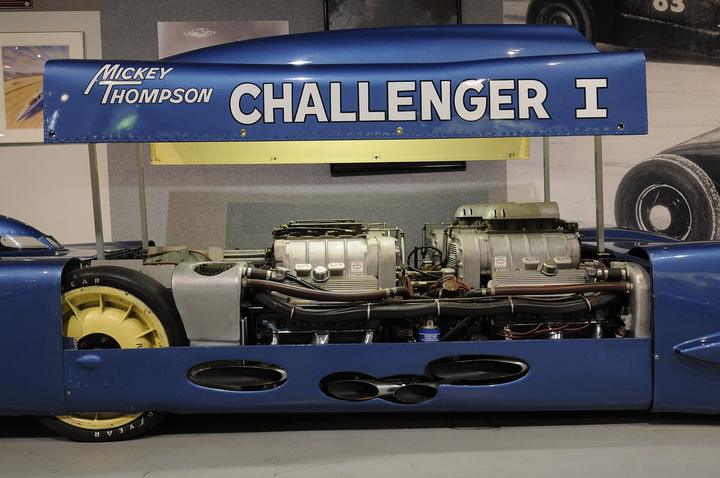
- Mickey Thompson: The Pressman Who Dug the Post Holes Himself Mickey Thompson dug the post holes for his own drag strip after his shift at the Los Angeles Times. The pressman with a garage and no money went on to the slingshot, the slick and a mail-order wheel. Read the full story Medium
- Edelbrock’s Slingshot Vic Edelbrock drove his roadster to Muroc, pulled the fenders off to race, and bolted them back on to drive home. The Slingshot came after he worked with Tommy Thickstun and wasn't satisfied. Read the full story Medium
- JEGS: A Columbus Racer Who Got Tired of Waiting for the Mail Jeg Coughlin Sr. got tired of waiting for parts by mail from the West Coast, so in 1960 he founded Jeg's Automotive, Inc., at 751 East Eleventh Avenue in Columbus, half garage and half parts store. Read the full story Medium
Garage-born Shops 12
- Before Everyone Got into the Act Before everyone got into the act there were George Wight's Bell Auto Parts, Lee Chapel, Karl and Veda Orr, and Jim White: the first speed shops. Read the full story Low
- Moon Equipment: The Café, the Fuel Block and the Eyes Dean Moon machined a fuel block in 1941 and began selling copies at Bell Auto Parts. The garage behind Moon's Café had no roof, and the dealer he told to pay later reopened the company as Mooneyes USA. Read the full story Medium
- Hooker Headers: The Pipes He Couldn’t Afford to Buy Gary Hooker couldn't afford headers for his new 1962 Chevrolet 409, so he made his own, longer and with larger tubing. Those pipes became Hooker Headers, the kind a racer could buy. Read the full story Medium
- Lakewood Industries: The Dragster Driver Who Built a Cage for the Clutch Joe Schubeck raced a dragster out of Lakewood, Ohio, built a steel bellhousing to hold the shrapnel from an exploding flywheel, and had to retire as a driver. That shop is Lakewood Industries. Read the full story Medium
- Moroso: A Basement in Greenwich and a Dragstrip He Bought on a Whim Dick Moroso started in a basement in Greenwich, Conn., and in 1983 explained why he had bought a falling-down dragstrip in Florida: "We have too many industrial parks and not enough racetracks." Read the full story Medium
- Mr. Gasket: From the Trunk of a ’57 Chevy to Wall Street Joe Hrudka made better exhaust gaskets with his father-in-law in Cleveland and sold them from the trunk of his '57 Chevy tow car. Mr. Gasket went from that trunk to Wall Street. Read the full story Medium
- Logghe Stamping: Fraser’s Flip-Top Chassis Shop Gene Logghe was burned at 187 mph at Ubly Dragway in 1962, and his father forbade the brothers to drive. They kept building, and the Fraser shop made the flip-top Funny Cars of 1966. Read the full story Medium
- The Plating Shop with the Rolling Billboards Leonard DeBell's Southern California Plating Co. advertised itself with customized delivery trucks wearing DuVall-designed grilles and bumpers. The 1935 Ford phaeton has not been seen since. Read the full story Medium
- Honest Charley, Hisself: The Chattanooga Speed Shop That Sold by Mail (1948–1990) Charley Card earned the name Honest at a downtown Chattanooga lunch counter near the Read House, and the speed shop is dated to 1948. Whether it stood on McCallie Avenue then, or only in the mid-1950s, the sources do not agree, and he hand-drew the catalog Southwest Virginia called its mail-order bible. Read the full story Medium
- The Empty Box on the Shelf: Speedway Motors and the Speed Shop That Stayed in Lincoln (Nebraska, 1929–2014) "Speedy" Bill Smith opened Speedway Motors in 1952 in a 400-square-foot Lincoln storefront on a $300 loan from Joyce, setting empty boxes on the shelf so it looked like he had two of everything. Joyce typed the price sheets, he shipped by bus, and he kept the business in Lincoln all his life. Read the full story MediumGrassroots
- Still Fixing the Deer Dents: Ringbrothers (Plain and Spring Green, Wisconsin, 1987–2024) Jim and Mike Ring of Plain, Wis., began with a Camaro restored in their parents' basement and a collision shop in Spring Green, and in 2014 their Chevelle was GM's best in show at SEMA. They kept the body shop, bought parts in Wisconsin, and painted the Stations of the Cross at their hometown church. Read the full story MediumGrassroots
- “I Never Intended to Sell a Quart”: Jon Kosmoski and House of Kolor (Minneapolis, 1956 or the early to mid-1960s–2026) House of Kolor dates itself to 1956 in Minneapolis, where a young Jon Kosmoski, unhappy with a paint job, began painting in a family basement and making his own colors. Painters at local shows wanted his paint, and a one-man custom shop became a national custom-paint brand. Read the full story Medium
No stories match those filters.
The editor's guide to this department
New: The Web of Influence, a map of who fed whom. Every line is backed by an archive page and a verbatim phrase from it.
The Big Names
The brands every catalog carries, told from their first garage, first ad or first customer.
- Holley: a bicycle-motor shop in Bradford, Pa., and the carburetor that followed everybody; now the collector of other brands.
- Hurst-Campbell Grassroots: a two-car garage in Abington, Pa., and the Bucks County magazines that watched the plant go up.
- Crane Cams Grassroots: a Florida machinist’s son who ground his own cam, and refunded the little guys at the Nationals.
- COMP Cams and Racing Head Service: three Oldsmobile tinkerers, a Memphis basement and Sun Studio’s corner.
- Summit Racing: a Corvette, a donut-shop basement and two small magazine ads.
- Mickey Thompson: the Times pressman who dug the post holes for Lions himself.
- Edelbrock’s Slingshot: how a Breawood Garage mechanic became a manufacturer.
- JEGS: a Columbus racer who opened his own speed shop in 1960 and grew it into a mail-order giant.
Garage-born shops
The smaller outfits, where the person and the shop were nearly the same thing.
- Prewar Speed Shops: Bell Auto Parts, Lee’s Speed Shop, Orr Speed Shop, Jim White.
- Moon Equipment: a Santa Fe Springs café, a fuel block and a set of eyes.
- Hooker Headers: the pipes a Pomona kid couldn’t afford to buy.
- Lakewood Industries: a dragster driver’s steel cage for the clutch.
- Moroso: a Greenwich basement and a dragstrip bought on a whim.
- Mr. Gasket: Cleveland gasser racers to Wall Street.
- Logghe Stamping: Fraser, Mich.; Ron & Gene Logghe’s flip-top Funny Car chassis (1966).
- Southern California Plating Co.: Leonard DeBell’s promotional trucks and the lost 1935 phaeton.
- Honest Charley Speed Shop: a Chattanooga lunch counter’s nickname, a hand-drawn catalog, and the mail-order book Southwest Virginia’s hot rodders called their bible (⚠ McCallie Avenue in 1948 or the mid-1950s; ⚠ died 1974 or 1975).
- Speedway Motors: a 400-square-foot Lincoln store on a $300 loan, an empty box on the shelf for every part, orders on the evening bus, and a founder who never moved to California (⚠ fiancée or wife).
- Ringbrothers: two brothers from Plain, Wis., a Camaro restored in the basement, a collision shop on Highway 14, a SEMA best in show, and the Stations of the Cross painted for the hometown church.
- House of Kolor: a Minneapolis painter who made paint for himself, won Best Paint at local shows, hired a chemist at $50 an hour, chose a scarab for the brand and sold it to Valspar in 1997 (⚠ how and when the paint business began).
- Also covered on people pages: Winfield, Riley, Navarro Racing Equipment, Chet Herbert Cams, So-Cal Speed Shop, Summers Fender Extensions.
How the profiles are built
Each profile ends with a Connect the dots section that lists the archive pages (people, strips, clubs, regions) tied to that company, with a one-line reason for each. Where a source does not document a tie, we say the link is only place or time. Conflicting sources are marked ⚠ and single-sourced claims ◐, and most “firsts” are credited to the person who claimed them. Not yet profiled, for lack of good sources: Offenhauser, Cragar, American Racing, Mallory, Weiand’s later years and JEGS; see the Research Trail.